


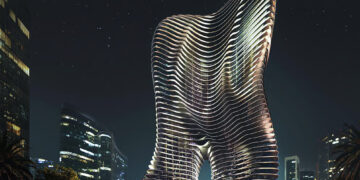
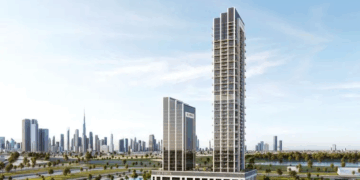

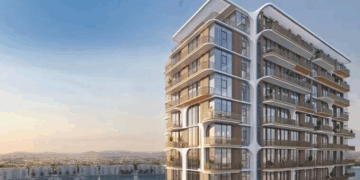
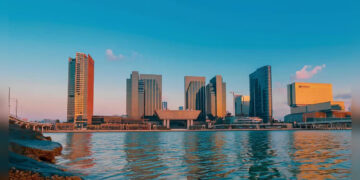
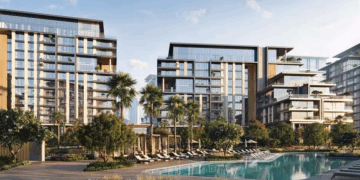
















With over 5,000 branded units anticipated to be produced by 2030, Ras Al Khaimah’s branded residential sector is expanding at a rate never witnessed in the northern emirates. The Emirate is emerging as a strong contender for luxury, according to analysts, due to growing investor confidence, solid tourism fundamentals, and increasing demand for lifestyle-oriented real estate.
Over the past 12 months, branded homes have emerged as one of Ras Al Khaimah’s most attractive asset classes, according to Oussama El Kadiri, partner and head of hospitality, Tourism, and Leisure Advisory, Mena at Knight Frank. With almost 39,000 branded units, Dubai continues to lead the world, while Ras Al Khaimah has solidified its place as the UAE’s second-strongest market due to consistent sales activity and growing consumer interest.
El Kadiri said that the basics of the emirate are changing quickly. By 2030, Ras Al Khaimah’s population is expected to increase by over 50%, and its tourist profile will continue to rise in the areas of leisure, adventure, nature, and MICE (Meetings, Incentives, Conferences, and Exhibitions). Future mega-projects like the Wynn resort, which is set to open in 2027, are anticipated to improve the emirate’s standing internationally and draw repeat tourists, many of whom go on to purchase real estate.
He added that global high-net-worth individuals are increasingly choosing branded residences for the lifestyle and reliability they offer. Knight Frank’s latest research shows “service provision and physical amenities” as the top motivator for buyers, at 63 per cent, followed by “building maintenance and management” and “high yield and investment potential”, each at 59 per cent.
Sales activity on the ground reflects this need. According to El Kadiri, branded developments are surpassing non-branded supply in both velocity and value, while off-plan volumes and pricing premiums are increasing in Ras Al Khaimah.
This change is being reinforced by an expanding list of global businesses. The perception of the emirate is changing due to the entry of luxury brands like Ritz-Carlton and JW Marriott as well as lifestyle-focused companies like Nobu, Aston Martin, and Lamborghini. Ras Al Khaimah is now seen as a rising luxury destination in and of itself rather than just a less expensive option to Dubai.
Developers from Asia, Europe, and other foreign markets are choosing Ras Al Khaimah for flagship projects as beachfront prospects become more and more limited in major global cities. According to El Kadiri, this momentum highlights how crucial it is to collaborate with powerful lifestyle or hospitality brands in order to guarantee project launches that are successful and preserve premium positioning.
Premium waterfront location
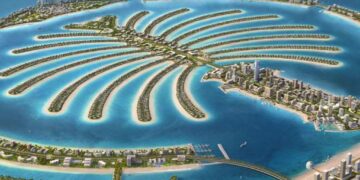
In Ras Al Khaimah, branded homes have performed better than non-branded ones in terms of sales, pricing, and anticipated rental returns during the last six months. Due to its beachfront location and developing prominence as a high-end residential and tourism hub, Al Marjan Island, where more than half of all branded units are situated, demands premiums of 35 to 50% over non-branded buildings.
These premiums are still supported by the emirate’s growing tourism industry. In the first half of 2025, Revenue Per Available Room (RevPAR) increased by 9% over the previous year, boosting investors’ rental pool returns and improving the value proposition for branded ventures.
Cherif Sleiman, Chief Revenue Officer at Property Finder, claims that market demand trends reflect this tendency. According to him, buyer demand for branded units in Ras Al Khaimah was robust between May and July 2025, behind Abu Dhabi by only roughly 10% per supply. While Ras Al Khaimah is becoming more popular as a seaside resort that combines peace and investment stability, Dubai is still in a different category, producing almost five times greater demand per available unit.
Communities like Al Marjan Island are spearheading this change, Sleiman continued. The island’s median rental costs increased by 62% from Dh40,000 in April 2023 to Dh64,800 in April 2025, indicating a strong demand for lifestyle-driven waterfront living. Compared to neighboring districts like Al Hamra Village and Mina Al Arab, rental rates per square foot are now about 20% more.
Branded homes continue to command a distinct price premium, according to Property Finder research. Over the previous two years, the median asking price per square foot for branded residences has increased by 26% to Dh3,092. Because they began at a much lower base and are still considerably less expensive at Dh1,525 per square foot, non-branded homes had a 74% increase over the same period. This disparity is further supported by the median unit prices, which are Dh4.1 million for branded homes and Dh1.55 million for non-branded ones.
Reshaping the investment landscape
Sleiman stated that present off-plan activity shows great buyer confidence, with buyers committing early to acquire homes rich in amenities, even if none of Ras Al Khaimah’s branded developments have yet to be completed. About 25% of transactions are from investors in the US, India, Germany, and other international markets, while the remaining 75% are from buyers resident in the United Arab Emirates.
While foreign investors are establishing themselves early in a developing luxury destination, local buyers are frequently looking for secondary or vacation residences.
Ras Al Khaimah’s expanding pipeline of branded developments is contributing to the transformation of the investment landscape in the northern emirates as they become more well-known. Ras Al Khaimah is entering its greatest phase yet as a premium residential and leisure hub, according to analysts, with thousands of units under development, growing tourism infrastructure, and rising international interest. Momentum is predicted to strengthen further through 2030.