






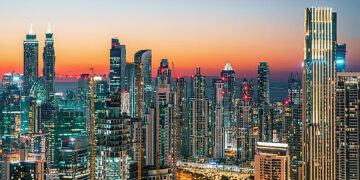

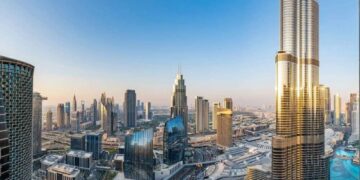























According to Savills Middle East’s most recent Dubai Prime Residential Market report, Dubai’s prime residential real estate market has had yet another successful year. By mid-November 2025, nearly 6,000 residential transactions exceeding AED 10 million had been completed, a 24.4 percent year-over-year increase.
The results indicate five years of rise in both transaction volumes and capital values, supported by limited supply in established prime areas, ongoing wealth inflows, and sustained international demand.
Demand from global and regional high-net-worth buyers remains strong
Dubai’s attractiveness to wealthy individuals and international families moving to the emirate is sustained by its stable political climate, advantageous economic environment, and tax-efficient structure.
“Dubai’s prime residential market continues to demonstrate exceptional depth and resilience. Demand from global and regional high-net-worth buyers remains strong, supported by wealth migration, limited supply in established prime communities and the city’s continued evolution as a world-leading lifestyle and business hub,” said Andrew Cummings, head of residential agency at Savills Middle East.
Savills predicts that while best-in-class branded and waterfront complexes continue to get a lot of interest, villas will continue to be a major emphasis for buyers looking for room and long-term family living. Dubai’s prime and super-prime real estate markets are well-positioned for future growth through 2026 because to these fundamentals.
Off-plan activity drives growth
Off-plan activity, which made up 73% of premier real estate sales in 2025 and was aided by many significant launches throughout Dubai, such as The Oasis, Palm Jebel Ali, Eden Hills, and Jumeirah Golf Estates Phase 2, has been the main driver of transactions exceeding AED 10 million.
Off-plan villas, which account for 51% of all year-to-date sales exceeding AED 10 million, have become the segment’s main source of activity. This indicates a clear preference for larger houses, solitude, and long-term ownership.
“The prime residential market in Dubai has once again recorded record-breaking transaction levels, reflecting the surge in demand in this segment. The off-plan market is particularly active, accounting for 73 percent of all transactions over AED10 million. Villas dominate this market segment, aligning with prime buyer preferences including privacy, indoor-outdoor living and generous space requirements,” said Rachael Kennerley, director of research at Savills Middle East.
Demand at the upper end of the market rises
Demand at the top end of the Dubai real estate market has increased even further, but deals in the AED 10–20 million range still make up the majority of premier activity. Both groups had 24% year-over-year growth in transactions over AED 20 million, indicating the city’s ongoing demand for super-prime residences.
In contrast to the sub-AED10 million market, where flats predominate, villas made over 70% of all purchases over AED10 million in 2025. Dubai continues to be the most active city in the world for branded homes, and prime apartment demand is still centered in waterfront areas and branded residential buildings.
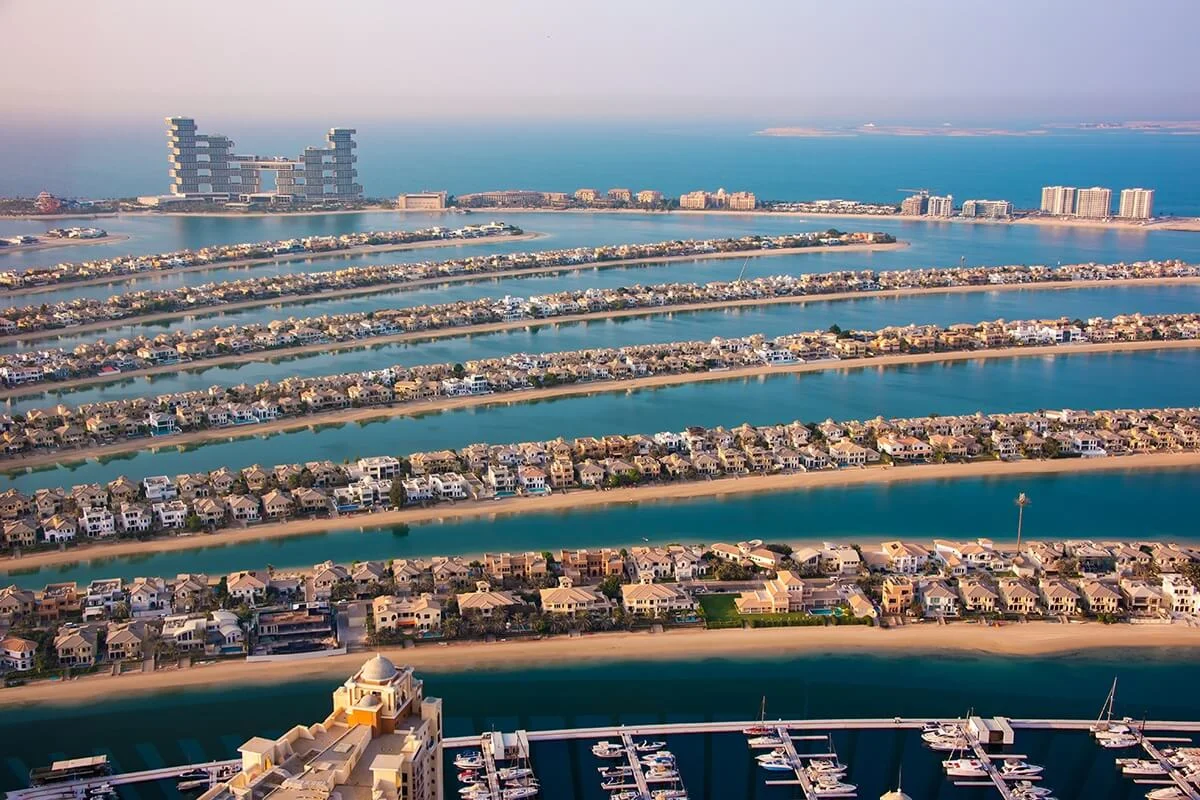
The Oasis, Palm Jebel Ali, and Palm Jumeirah were the top villa-led prime locations in 2025; Dubai Harbour, Downtown Dubai, and Palm Jumeirah were the top apartment complexes.
European buyers are the most active in the prime market
The demand at the top end of the residential real estate market is still supported by Dubai’s status as a worldwide wealth hub. Due to its strengths in the areas of business environment, lifestyle, family infrastructure, and security, Dubai is ranked as the top global location for high-net-worth individuals in Savills’ Wealth Trends Report.
Due to the city’s widespread attractiveness outside, European buyers accounted for 58% of Savills’ AED10 million+ deals in 2025, followed by Asian purchasers with 23%.
Savills projects that demand in Dubai’s prime and super-prime residential real estate markets will continue to be strong through 2026 due to population expansion and continuous wealth migration, with buyer behavior still being influenced by lifestyle-driven purchasing choices.