








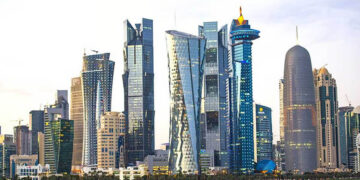

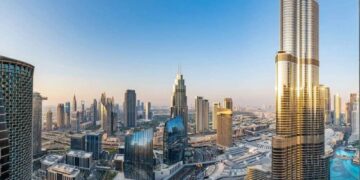
















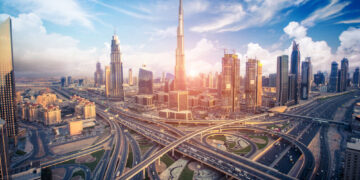






Due to strong investor demand, population growth, and sound economic fundamentals, the UAE real estate market is expected to close 2025 on a record-breaking note in all major emirates.
The UAE is moving into a more balanced period as 2026 gets underway. Market cycles are getting more predictable, supply is increasing, and demand is still strong. Instead of the excitement of the previous two years, Moody’s and Fitch analysts see the upcoming period as one of steady growth.
Even though there were early indications of normalization, the year saw new highs in transactions and price rise, according to CBRE, Colliers, Cavendish Maxwell, and Property Finder.
In 2025, the macroenvironment was favorable. According to CBRE, tourism, non-oil expansion, and foreign investment are the main drivers of GDP growth, which is estimated to be 4.9%. The UAE PMI remained above 54, indicating consistent business activity.
One of the key drivers of demand is still population expansion; according to ValuStrat, Dubai added almost 1,000 citizens every day in early 2025, driving up housing demand throughout the city. Henley & Partners reports that approximately 10,000 millionaires moved to the United Arab Emirates in 2025, contributing to the upper end of the market.
The residential industry in Dubai had again another successful year. In Q3 2025, Cavendish Maxwell reported 55,300 sales, up 17% yearly, while Property Finder recorded 59,044, the greatest number ever for the quarter. Over 70% of activity was off-plan, driven by investor appetite and appealing payment schemes.
According to Cavendish Maxwell, demand for branded and waterfront projects drove up prices by roughly 16% annually. As consumers become more price conscious, ready sales declined by 5% on a quarterly basis.
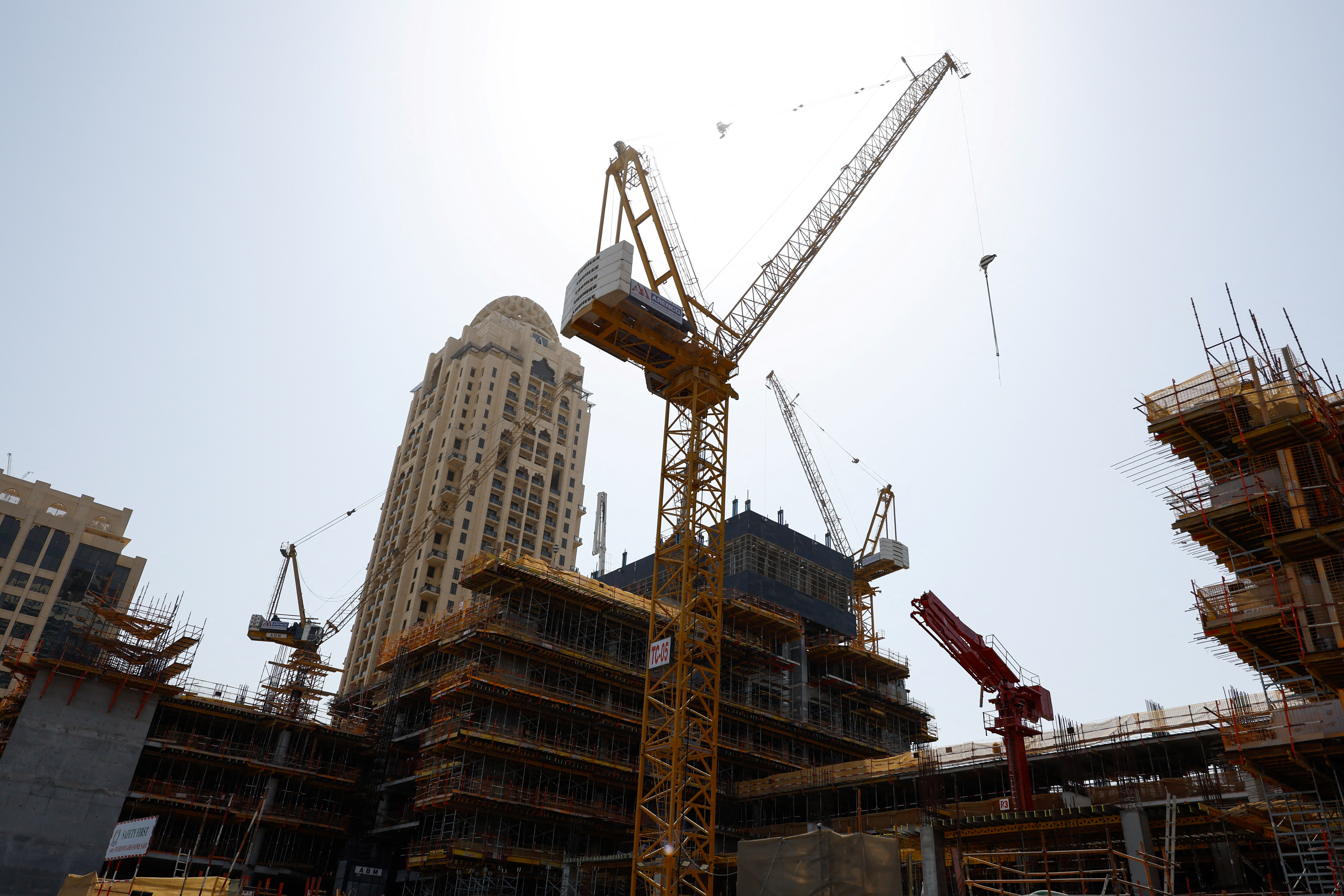
The second defining aspect of the market is supply. Although 9,400 units were delivered in Q3, the true tsunami is still to come. According to Fitch and Moody’s, between 2025 and 2027, 150,000–250,000 units are anticipated. Both agencies anticipate a soft landing, with any corrections restricted and driven by mid-market apartments rather than premier parts, even though this increases the danger of a brief oversupply.
According to CBRE, following two years of sharp rises, rental growth slowed to 8–12% year over year in 2025. In Q3, apartment and villa rents increased by 2% and 4%, respectively, year over year. Rental stabilization is anticipated to continue in 2026 as more supply enters.
More long-term residents are moving toward ownership as a result of this change; according to polls quoted by Property Finder, more than half of Dubai residents intend to purchase within three years.
The office market is still among the most competitive in the world. According to CBRE and JLL, 94% of Grade A districts are occupied, and rents are increasing by around 29% a year. Strong off-plan activity drove an 87% increase in transaction values in Q3.
The commercial market will probably remain landlord-friendly through 2026 because there won’t be much new inventory until 2027.
Abu Dhabi had its best year ever. According to Property Finder, there were 7,154 transactions in Q3, an astounding 76% yearly increase. At 73%, off-plan purchases predominated, with projects on Fahid Island and Al Hidayriyyat leading the way. Strong absorption and restricted supply contributed to the 276% increase in off-plan apartment values.
According to Colliers, rental increase in important segments was between 11 and 13 percent, while top offices in ADGM nearly reached full occupancy, with fitted units costing more than Dh3,000 per square meter.
Abu Dhabi is well-positioned for sustained resilience in 2026 thanks to its methodical supply plan.
In 2025, the Northern Emirates saw tremendous growth. More than 13,000 new units were introduced in Q3 alone, according to Colliers. Due to relocations from Dubai and tourism-related demand associated with Al Marjan Island and the upcoming Wynn Resort, Ras Al Khaimah had 18% yearly price growth and 12% rental hikes.
Al Ain maintained steady, community-led performance with new government-backed housing programs, while Sharjah reported 12% price rise and robust family-driven demand.
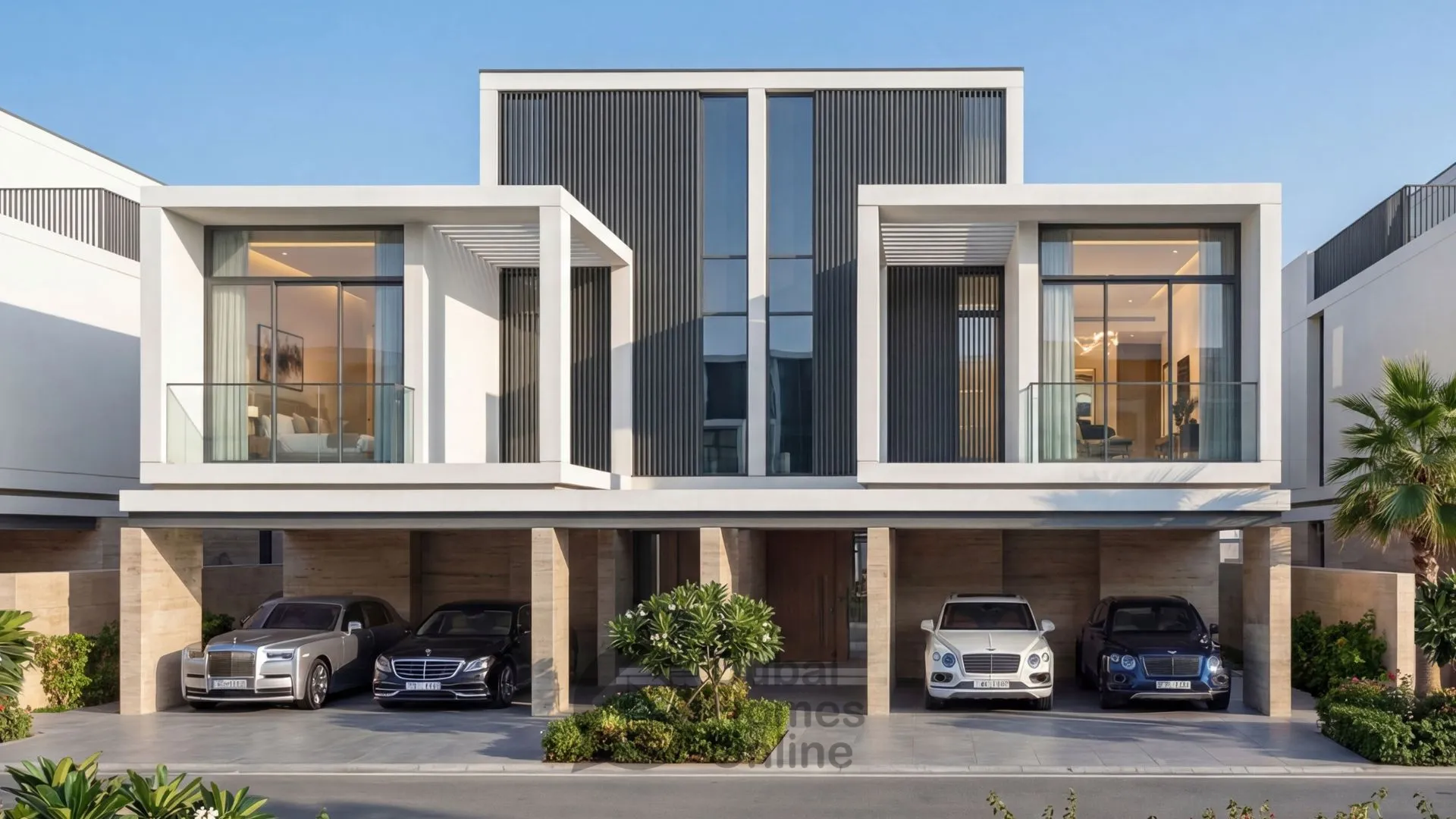
Due to restricted availability and high-net-worth migration, the luxury market continued to thrive exceptionally well. Cavendish Maxwell reports that Dubai’s ultra-prime neighborhoods, such Palm Jumeirah and Dubai Hills, are growing by 15–30% a year.
RAK’s luxury seaside projects attracted attention from all over the world; some developments reported that almost 80% of the buyers were foreigners.
Growing supply is predicted to slow price rise, particularly in Dubai. According to Fitch, certain mid-market areas could weaken by as much as 15%. Due of the limited availability and widespread interest, beachfront and luxury assets should stay stable. In 2026, more finished homes will provide options and relieve pressure on affordability.
Investor trust will be strengthened by increased project oversight and transparency. Both residential and commercial sectors will continue to be supported by corporate relocations and expatriate inflows.
The UAE is in a strong position going into 2026. The Northern Emirates are catching new migration and tourism-driven demand, Abu Dhabi is continuing its steady upward trajectory, and Dubai is heading toward equilibrium.
The outlook is one of maturity, stability and sustained long-term appeal, experts say. “The next phase will be defined less by record-breaking numbers and more by balance, resilience and strategic growth—signs of a property market evolving with confidence.”